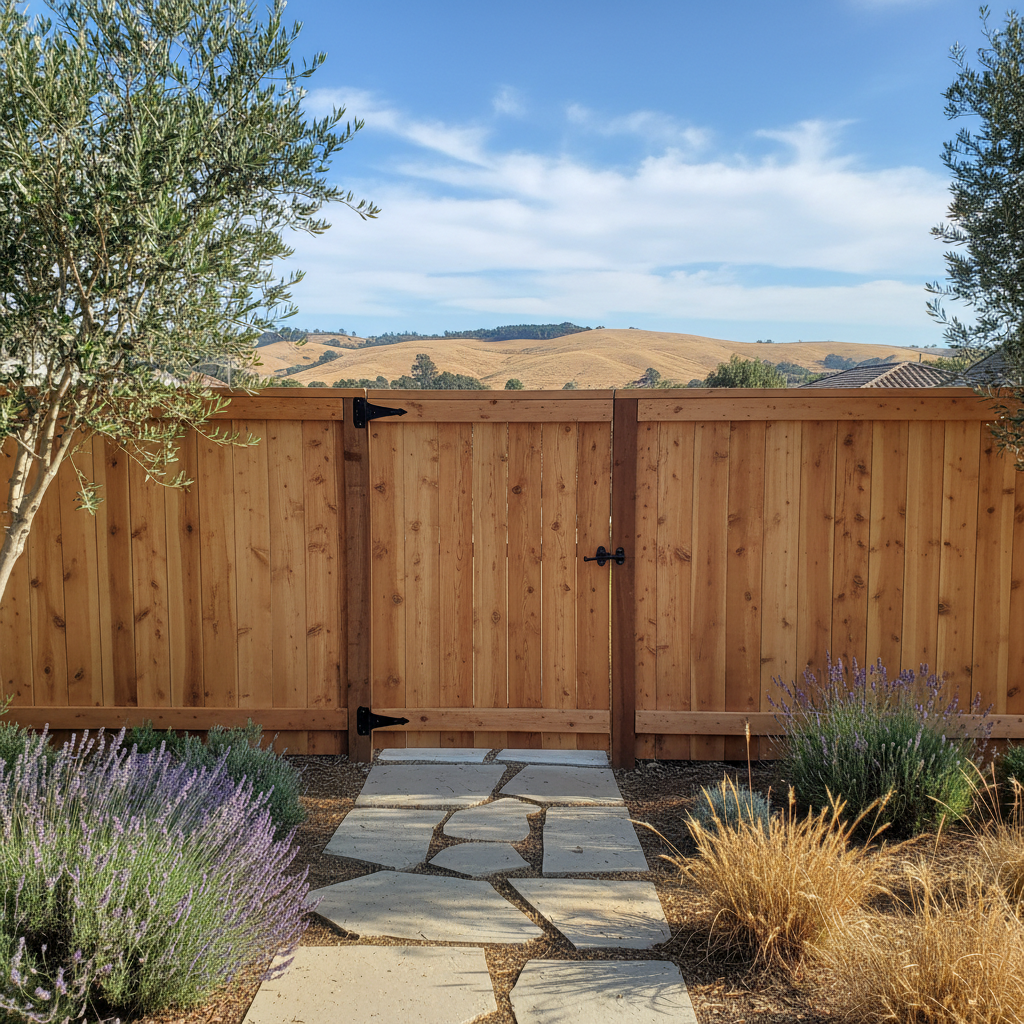
You've got a gate, right? And whether it's a big, fancy entry gate or just a simple one for your side yard, it's a moving part. Moving parts need some love, especially here in Benicia where the weather can be pretty tough. Honestly, I've seen way too many gates break down too soon because people don't realize how much a little regular care helps. So, let's chat about keeping your gate in great shape and making sure it lasts as long as it really should.
Making Your Gate Installation Last Longer
When I put in a gate, my goal is for it to stand the test of time. But even the best installation needs a bit of help from you to truly go the distance. First off, think about the materials. If you've got a wood gate—especially something like redwood or cedar—it naturally resists rot and pests. Still, it's not indestructible. Our hot, dry summers followed by those damp, foggy mornings can really put wood through its paces. You'll want to make sure any exposed wood gets sealed or stained regularly. For metal gates, whether it's wrought iron, aluminum, or steel, rust is the big enemy. Even if it's powder-coated, scratches happen, and those tiny nicks can quickly become huge problems if you don't take care of them.
The single most important thing you can do to extend your gate's life? Keep it clean. Dirt, dust, pollen, even salt from those Bay breezes—all that stuff can build up on hinges, latches, and tracks. This gunk creates friction and holds moisture, which is bad news for both wood and metal. A simple wash-down with a hose and a soft brush a few times a year can make a world of difference. For metal gates, particularly, think about putting on a good quality wax or sealant after cleaning; it adds another layer of protection against the elements.
What Regular Maintenance Looks Like
Okay, so what exactly should you be doing, and how often? I tell my clients to think of it like changing the oil in your car—it's preventative, and it saves you a lot of headaches down the road. Here's a quick rundown:
- Lubrication is Key: This is probably the most important step. Hinges, rollers, and latches need to be lubricated at least twice a year, maybe more if it's a gate you use all the time. I usually suggest a silicone-based spray lubricant for most situations, especially for metal-on-metal parts. For heavier-duty hinges or those on automatic gates, check your gate's manual or just give us a ring at Integrity Fencing Benicia for our recommendation. Oh, and don't use WD-40 for long-term lubrication; it's actually a degreaser and will strip away existing lubricants over time.
- Check Fasteners: Take a walk around your gate and quickly eyeball every screw, bolt, and nail. Our ground here in Benicia, especially in some of those older hillside neighborhoods, can shift a bit, and that movement can loosen things up. Tighten anything that looks wobbly. If you spot a fastener that's rusted or stripped, replace it pronto.
- Clean Tracks and Rollers (for sliding gates): If you've got a sliding gate, its track needs to be clear of junk. Leaves, small stones, even pet hair can get in there and make the gate stick or put extra strain on the opener. Clean it out regularly and check the rollers for wear.
- Inspect Wood for Rot/Pests: For wood gates, look for soft spots, discoloration, or tiny holes that might mean rot or insect activity. Pay extra attention to the bottom rails and any areas where wood touches the ground or stays wet.
- Check for Rust on Metal: Any rust spots, no matter how tiny, need your attention. Lightly sand them down to bare metal, prime, and then paint with a rust-inhibiting paint. Catching it early stops it from spreading and weakening the whole structure.
Warning Signs of Problems
Your gate usually tries to tell you when something's not right. You just need to know what to listen and look for. Don't ignore these signals:
- Squeaking or Grinding Noises: This is the most common one, isn't it? It almost always means it needs lubrication or something is catching. Don't let it go; it'll only get worse and could damage components.
- Difficulty Opening or Closing: If your gate is sticking, dragging, or just feels heavier than usual, something's off. It could be a misaligned hinge, a bent frame, or an issue with the gate post itself.
- Sagging or Leaning: This is a big deal. A gate that sags or leans usually points to a problem with the hinges, the gate frame, or the posts. It puts a ton of stress on all parts and needs immediate attention.
- Visible Rust or Rot: Like I said, small spots are fixable. But if you see rust eating through metal everywhere or large areas of soft, crumbling wood, you've got a more serious problem.
- Cracks in Posts or Concrete: The posts are your gate's foundation. If you see cracks, especially around the base where they meet the ground or concrete, that's a huge red flag. It might mean the post is compromised or the ground is shifting.
- Automatic Gate Malfunctions: If your automatic gate is opening or closing weirdly, stopping mid-cycle, or the remote isn't working consistently, there's an issue with the opener, sensors, or electrical components.
When to Call a Professional
Listen, I'm all for doing things yourself, but sometimes you really need to bring in someone with experience. If you spot any of the more serious warning signs—like significant sagging, widespread rot or rust, or issues with an automatic gate opener—that's when you should pick up the phone. Trying to fix a severely sagging gate yourself can be dangerous and often just causes more damage. Gate openers, especially, involve electrical work and complex mechanisms that are truly best left to trained professionals. If you're not sure what's causing a problem, or if you've tried basic maintenance and the issue just won't go away, don't hesitate. Catching a problem early with a professional repair can save you from having to replace the whole gate later. We see it all the time: a small issue that gets ignored turns into a big, expensive headache.
Your gate is a crucial part of your property's security and how it looks. A little bit of attention goes a long way in keeping it working perfectly and looking good for years to come.