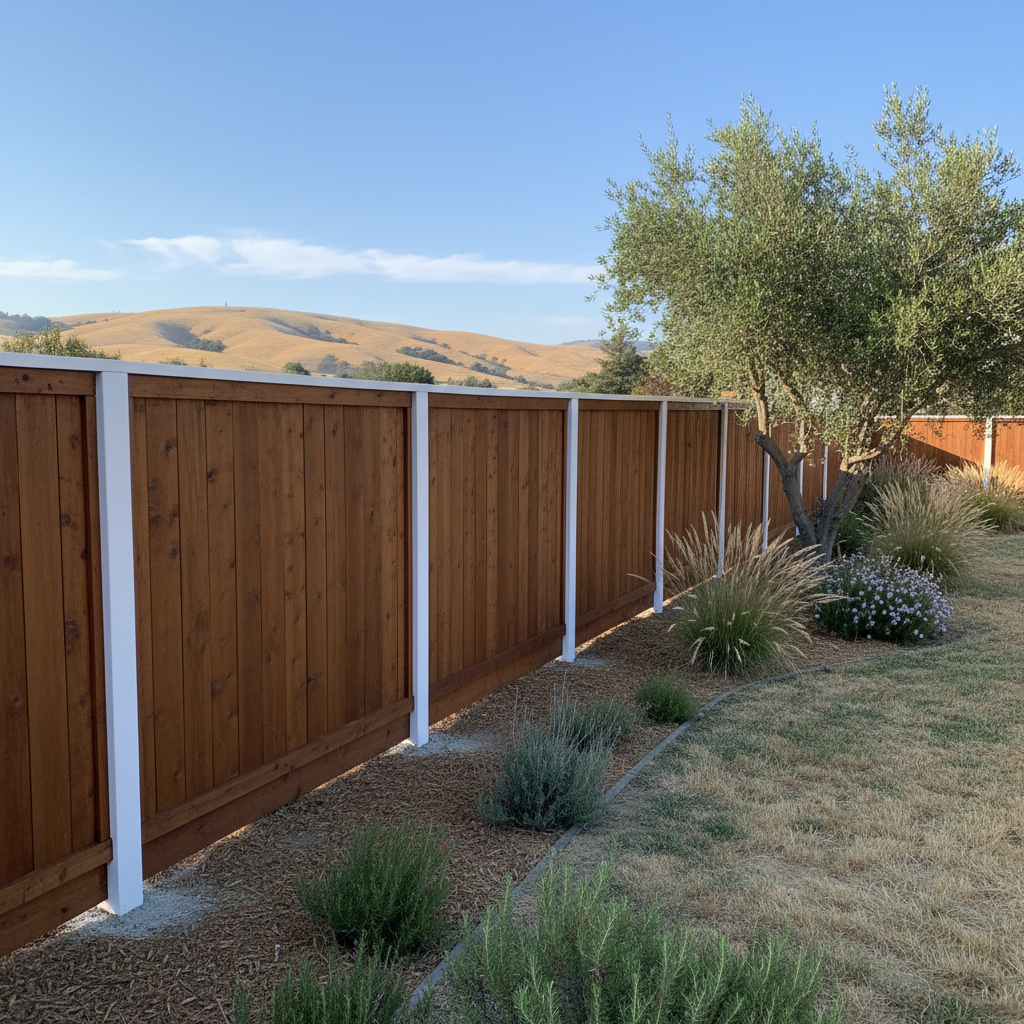
Alright, let's talk about your fence. Specifically, staining or painting it. It seems simple enough, right? Get some paint, grab a brush, and go to town. Or, even easier, hire someone to do it. But I've seen it time and again here in Benicia: homeowners make a few key blunders that turn what should be a straightforward project into a headache, or worse, a waste of money.
Not Prepping Properly (or at all)
This is probably the biggest mistake I see. People get excited about the new color or finish, and they just start slapping it on. Your fence isn't a blank canvas; it's been sitting out in the Benicia sun and fog, collecting dirt, mildew, and old, flaking finishes. If you don't clean it thoroughly first, that new stain or paint isn't going to stick. It'll peel, bubble, or just look terrible in no time.
- **Clean it:** Use a pressure washer carefully (too much pressure can damage wood!) or a good scrub brush with a proper fence cleaner. Get all the dirt, algae, and loose bits off.
- **Repair it:** Before you even think about color, fix any loose boards, replace rotted sections, and hammer in protruding nails. Staining over a wobbly fence doesn't make it strong.
- **Dry it:** This is crucial. If your fence is still damp from cleaning, the new finish won't adhere right. Give it at least 24-48 hours of good, dry weather. Here in Benicia, especially in the mornings with that marine layer, you gotta be patient.
Picking the Wrong Product for the Job
You walk into the hardware store, see a wall of stains and paints, and just grab whatever's on sale or looks good on the swatch. Big mistake. Not all products are created equal, and not all are right for every fence or every climate.
- **Stain vs. Paint:** Stains penetrate the wood, letting the grain show through, and generally wear away over time. Paints sit on top, offer more opaque color, and tend to peel if not prepped right. Know what look you want and what kind of maintenance you're signing up for.
- **Oil-based vs. Water-based:** Oil-based stains and paints often offer better penetration and durability, especially on older wood. Water-based options are easier to clean up and dry faster. For fences, especially wood, I usually lean towards good quality oil-based stains for longevity, but modern water-based products have come a long way.
- **Exterior Grade:** This sounds obvious, but I've seen people use interior paint on outdoor projects. Make sure whatever you buy is specifically designed for exterior use and can stand up to UV rays, rain, and temperature swings.
Hiring the Cheapest Bid Without Asking Questions
Look, I get it. Everyone wants to save a buck. But when you're getting quotes for staining or painting your fence, the lowest price isn't always the best deal. Sometimes, it's a red flag waving in your face.
- **Are they insured?** If someone gets hurt on your property or damages something, you need to know they're covered. Ask for proof of insurance.
- **What's their process?** A good contractor will explain their prep work – cleaning, sanding, repairs – before they even talk about applying the finish. If they just say,