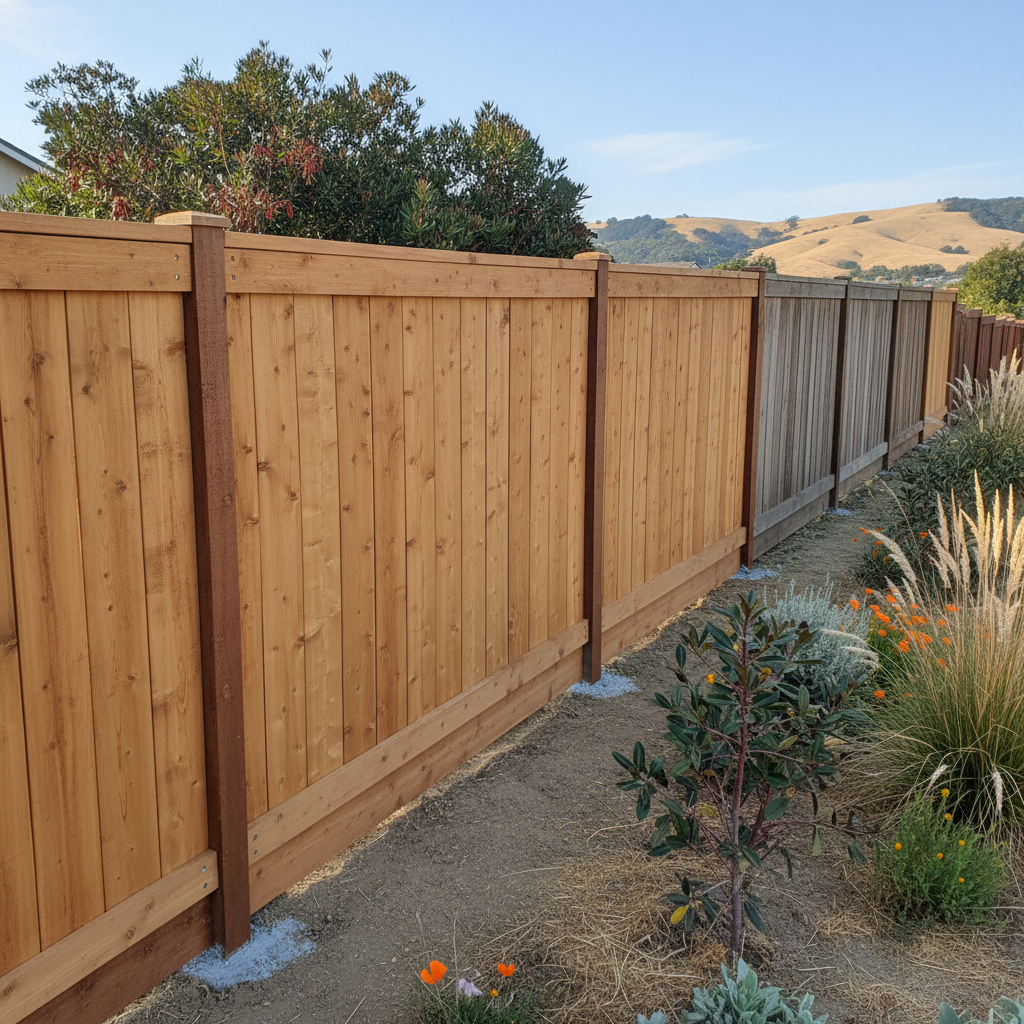
You need a fence repair. Maybe a post rotted out, a panel blew down in a winter storm, or your gate's just not closing right anymore. Sounds simple, right? Well, it can be, but I've seen plenty of folks in Benicia make some pretty common mistakes that end up costing them more money, more time, and a whole lot of headaches.
As the owner of Integrity Fencing Benicia, I've fixed a lot of fences and, frankly, I've fixed a lot of other guys' mistakes too. So, let's talk about what to watch out for.
Mistake #1: Not Getting Multiple Bids (and Knowing What to Ask For)
This is a big one. You call the first guy who answers, he gives you a price, and you say yes. Don't do that. You wouldn't buy a car without looking at a few options, would you? Same goes for fence repair.
But it's not just about getting three numbers. It's about getting three comparable numbers. When you talk to contractors, ask them to break down their bid. What materials are they using? Are they replacing just the broken pickets, or the whole panel? Are they digging new post holes or just patching the old ones? For example, if you've got a fence on a slope in the Southampton neighborhood, you need to know if they're just patching the visible damage or addressing potential erosion issues that might have caused the problem in the first place. You'd be surprised how often a 'cheap' bid means they're cutting corners you'll pay for later.
Mistake #2: Focusing Only on Price
I get it. Money matters. But the cheapest bid is rarely the best value. A super low price often signals a few things:
- They're desperate for work: Which might mean they're new, inexperienced, or have a bad reputation.
- They're cutting corners on materials: Using cheaper wood that won't last, or thinner gauge metal.
- They're not insured or licensed: This is a HUGE red flag. If something goes wrong, you're on the hook. Always ask for proof of insurance and their contractor's license number. You can verify licenses on the CSLB website.
- They're not paying their crew fairly: Which can lead to rushed, sloppy work.
A good contractor has overhead – insurance, good tools, skilled employees, and a reputation to uphold. That costs money. You're paying for peace of mind and a job done right.
Mistake #3: Not Checking References or Reviews
In this day and age, there's no excuse for not doing a quick online search. Look for reviews on Google, Yelp, or other local platforms. Don't just look at the star rating; read what people are saying. Are they praising communication? Quality of work? Timeliness? Or are there complaints about no-shows, shoddy work, or unexpected charges?
If a contractor doesn't have any online presence or can't provide a few local references, that's a warning sign. A reputable business like Integrity Fencing Benicia will have a track record you can check.
Mistake #4: Not Getting Everything in Writing
A verbal agreement is worth the paper it's written on – nothing. Always, always, always get a written contract. This contract should clearly outline:
- The scope of work (what exactly is being repaired or replaced).
- The materials to be used (specific types of wood, fasteners, etc.).
- The total cost.
- Payment schedule (e.g., deposit, progress payments, final payment).
- Start and estimated completion dates.
- Warranty information (if any).
- Proof of insurance and license numbers.
This protects both you and the contractor. If there's a disagreement later, you have something to refer back to.
Mistake #5: Paying Too Much Upfront
A reasonable deposit is fine, usually 10-20% or a maximum of $1,000 (whichever is less, by California law for home improvement contracts). If a contractor demands half or more of the total cost upfront, especially for a repair job, that's a major red flag. They might be using your money to fund another job, or worse, they might just take your money and disappear. Pay for work as it's completed, or upon satisfactory completion.
Your fence is an important part of your home's security and curb appeal. Don't let a simple repair turn into a nightmare. Do your homework, ask the right questions, and choose wisely. It'll save you a lot of grief in the long run.