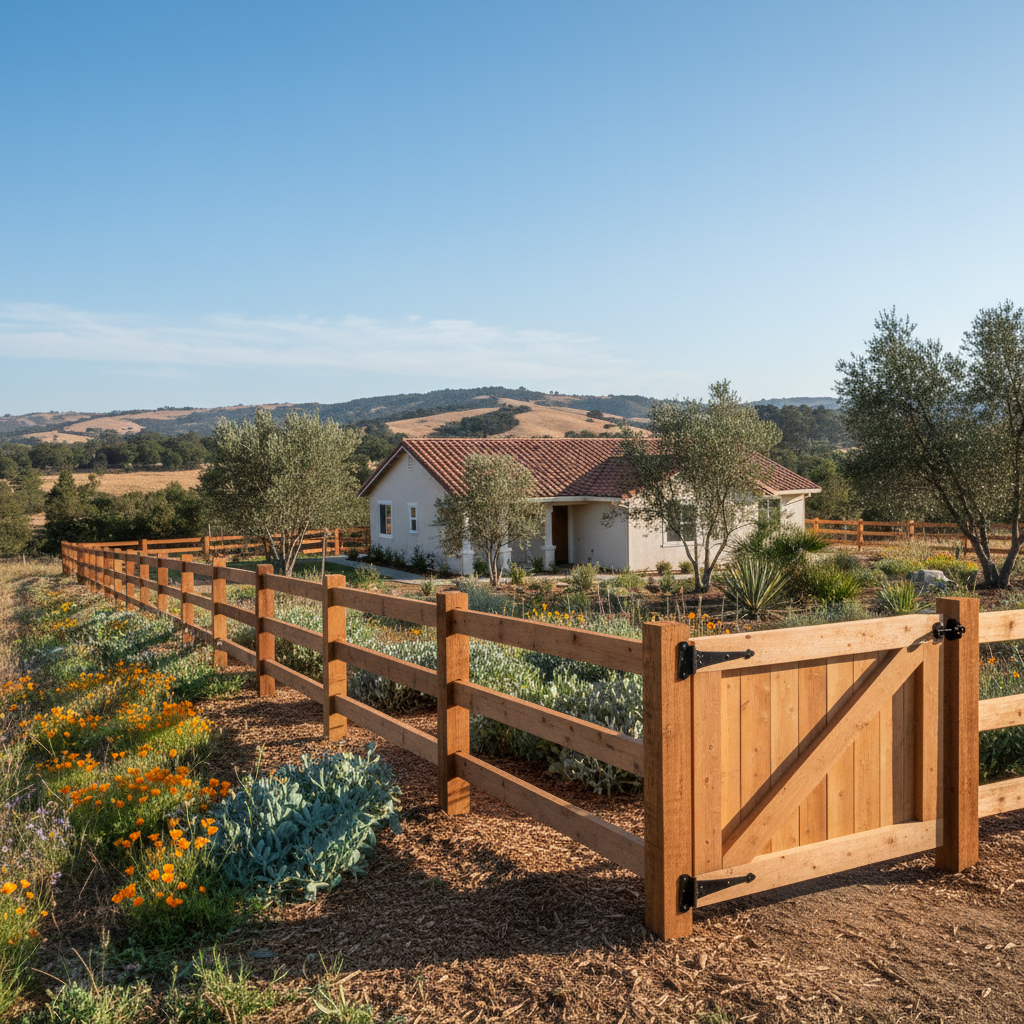
So, you're thinking about putting up a farm fence here in Benicia. Maybe you've got some animals you need to keep in (or out!), or you're just looking to mark off a bigger property line. Whatever your reason, a farm fence isn't quite like installing a small picket fence in your front yard. It's a much bigger job, and you really want to get it right the first time. I've seen a lot of these projects over the years, and there are some common things people tend to miss. This guide is all about helping you plan things out properly so you don't run into any surprises later on.
Setting Your Project Timeline: What to Expect
Let's talk about how long this whole thing takes. You can't just snap your fingers and have a farm fence magically appear. There are a few different stages, and each one needs its own time. First up, there's the planning phase. This is where you figure out exactly what you need, what materials make the most sense for your specific animals or land, and then you get some quotes. Don't rush this part, seriously. It could easily take a few weeks, especially if you're getting multiple bids and doing your homework.
After that, you've got permitting. Depending on the size and location of your property, and what exactly you're planning to build, you might need a permit from the city or county. This is a big one that people often forget about. Benicia's planning department can be pretty quick, but it's still a process. You're looking at anywhere from a couple of weeks to over a month for permit approval, sometimes even longer if there are any issues with your plans or property lines. Make sure you factor that in.
Once those permits are in hand and you've picked your contractor, it's time for material ordering. Some specialized farm fencing materials, like certain kinds of high-tensile wire or specific gate hardware, aren't always just sitting on a shelf. They might need to be ordered, and that can tack another 1-3 weeks onto your timeline. Finally, there's the actual installation. For a decent-sized farm fence, let's say a few hundred feet or more, you're probably looking at anywhere from a few days to a couple of weeks of actual work. This depends on the terrain, the type of fence, and how many folks are on the crew. So, all told, from your very first thought to the finished fence, you're realistically looking at a 6-12 week process. Don't go planning on having it up next weekend.
What to Expect During the Installation Process
When the crew shows up, they'll usually kick things off with site preparation. This means clearing the fence line of any brush, rocks, or debris. If your property has a lot of overgrown areas, this part can take a while. Then comes marking out the fence line and where the post holes will go. Being precise is super important here, especially on long stretches. They'll use string lines and markers to make sure everything is straight and true. For farm fences, posts are typically set deeper and often with concrete for stability, which is a good idea if you're dealing with livestock that might lean on it.
After the posts are set, the actual fencing material goes up. This could be woven wire, barbed wire, high-tensile, or even some combination. Gates will be installed last, making sure they swing freely and latch securely. You'll see a lot of digging, hauling, and stretching. It's dusty, sometimes noisy work. Don't be surprised if your yard looks a bit like a construction zone for a bit. A good crew, like us at Integrity Fencing Benicia, will keep the site as tidy as possible and clean up thoroughly when they're done.
How to Prepare Your Property
Before anyone even steps foot on your property with tools, there are a few things you can do to make the whole process smoother. First, clear the fence line yourself if you can manage it. Get rid of any bushes, small trees, or big rocks that are right where the fence needs to go. The less the crew has to clear, the quicker — and potentially cheaper — the job will be. Second, mark any underground utilities you know about. Even if the contractor calls for utility locates (which they absolutely should!), it's always smart to point out things like your irrigation lines, septic tank, or buried dog fences. Nobody wants a surprise pipe rupture, right?
Third, make sure there's clear access for equipment and materials. If the crew needs to bring in a post-hole digger or a truckload of posts, can they actually get to the fence line easily? If not, you might need to make some temporary arrangements. Finally, secure any pets or livestock. You really don't want them getting in the way or, worse, getting out during the construction. Trust me, it happens.
Questions to Ask Before Signing a Contract
This is where you protect yourself and make sure you're getting a quality job. Don't be shy about asking questions. Here are some I always recommend:
- What's the exact scope of work? Make sure the contract spells out every detail: fence type, height, materials, how many gates, post spacing, and any site prep that's included.
- What's your experience with farm fencing specifically? A company that's great at residential privacy fences might not have the specialized knowledge needed for a sturdy farm fence.
- Are you licensed and insured for this type of work in California? This is non-negotiable. Ask for proof. If they can't provide it, walk away.
- How do you handle permits? Will they pull the permits, or is that my responsibility? Make sure this is crystal clear.
- What's your warranty on labor and materials? A good contractor stands behind their work.
- What's the payment schedule? Don't pay for the whole thing upfront. A reasonable deposit, progress payments, and a final payment upon completion and your satisfaction is standard practice.
- What's the estimated timeline, and what happens if there are delays? Get a realistic timeframe.
- Who is my main point of contact during the project? You want one person you can talk to if you have questions or concerns.
- How do you protect my property during construction? Ask about clean-up, protecting existing landscaping, etc.
- Can you provide references for similar farm fencing projects? Talk to other clients. It's the best way to gauge a contractor's reliability and quality.
Asking these questions upfront will save you a lot of headaches later. A good contractor will appreciate your thoroughness, not be annoyed by it. It just shows you're serious about your project. Getting a farm fence put in is a significant investment, especially with our Benicia hills and varied soil conditions that can make digging a real challenge. Do your homework, ask the right questions, and you'll end up with a fence that serves you well for years.